How to start a profitable business with label printer in 2025?
- Share
- Issue Time
- Jul 28,2026
To start a profitable label printer business in 2025, focus on a clear niche such as product labels, shipping labels, or custom stickers; invest in a reliable label printer, design software, and quality label stock; and target small businesses, ecommerce sellers, and local brands. A home-based setup can launch for $2,000-$10,000, while a commercial operation typically requires $20,000 or more.
Choose a Profitable Niche
High-Demand Label Categories
Not all label printing is equally profitable. Specializing in one or two niches helps you market more effectively and command better margins. Popular categories include:
- Product Labels: Cosmetics, food jars, candles, supplements, and handmade goods
- Shipping Labels: Thermal labels for ecommerce and logistics companies
- Barcode and Asset Labels: Inventory tracking for warehouses and retailers
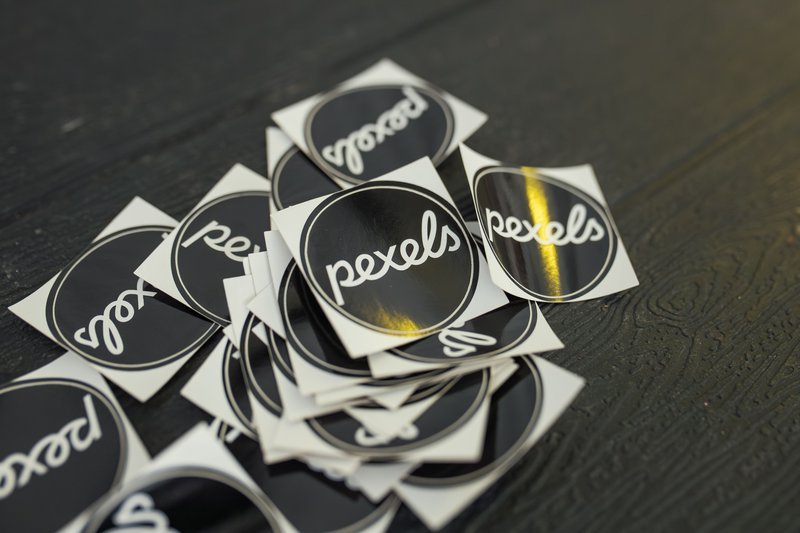
- Custom Stickers: Brand decals, laptop stickers, event giveaways, and planner stickers
- Packaging Labels: Box seals, thank-you stickers, and tamper-evident labels
Each niche has different material, durability, and finishing requirements. Product labels often need water-resistant vinyl or BOPP material, while shipping labels use economical direct thermal paper. Picking the right niche from the start reduces wasted inventory and simplifies pricing.
Target Customer Segments
The most profitable label printer customers are small businesses that need short-to-medium runs with fast turnaround. Ideal targets include:
- Local food and beverage producers needing FDA-compliant food labels
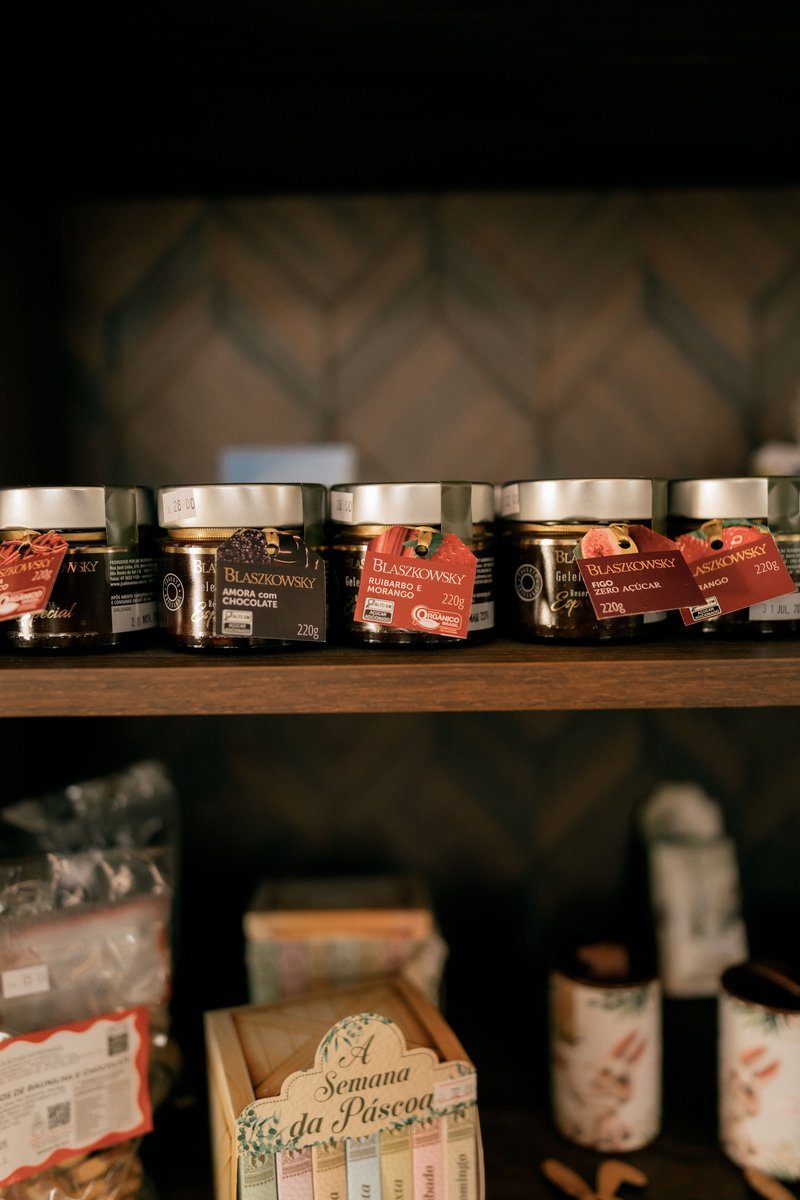
- Skincare and candle makers selling at farmers markets and online
- Ecommerce sellers using Shopify, Etsy, or Amazon FBA
- Logistics coordinators needing branded shipping labels
- Event planners and wedding stationery designers
Essential Equipment and Setup
Core Equipment List
A lean but capable label printing startup needs the following equipment:
| Equipment | Estimated Cost | Purpose |
|---|---|---|
| Label Printer | $300 - $5,000 | Roll labels, die-cut labels, or thermal shipping labels |
| Computer + Design Software | $1,000 - $2,500 | Adobe Illustrator, Canva Pro, or NiceLabel |
| Cutting Machine | $200 - $1,000 | Contour cutting for custom sticker shapes |
| Label Materials Stock | $300 - $1,000 | Vinyl, BOPP, matte/gloss paper, thermal rolls |
| Heat Press or Laminator | $200 - $800 | Optional finishing for durability and gloss |
FCOLOR label printer solutions are designed for small business production, offering reliable feeding, precise registration, and compatibility with a wide range of label materials so you can serve multiple niches with one machine.
Workspace and Legal Setup
Many label businesses start from a spare room, garage, or small studio. Ensure your workspace has:
- Clean, dust-free air to prevent debris under labels and stickers
- Stable temperature and humidity to protect adhesive materials
- Adequate lighting for color matching and quality inspection
- Storage shelves for label rolls and finished inventory
Legally, register your business name, obtain any required local permits, apply for a sales tax or resale license, and open a business bank account. If you plan to sell food-contact labels, research FDA or EU compliance requirements for adhesives and inks.

Pricing, Margins, and Profitability
How to Price Label Jobs
Profitable label pricing covers material, machine time, labor, overhead, and profit. A simple formula is:
Total Price = Material Cost + Labor + Overhead + Profit Margin
For example, a roll of 500 product labels may cost $12 in material and take 20 minutes to print, cut, and pack. If you value labor at $20 per hour and add a 60% gross margin, the selling price would be roughly $45-$55 per roll, or about $0.09-$0.11 per label. Custom short runs can command much higher per-label prices because customers pay for flexibility and fast turnaround.
Revenue and Scaling Potential
Label printing profit margins vary by niche but typically range from 40% to 70% gross margin. A home-based label business serving 15-20 regular small-business clients can generate $3,000-$8,000 in monthly revenue within the first year. Scaling options include:
- Adding online ordering through Shopify or Etsy
- Offering design services for an additional fee
- Partnering with local print shops for overflow work
- Introducing subscription label plans for repeat customers
Marketing and Customer Acquisition
Build Your Online Presence
Modern label buyers search online before contacting a printer. Set up:
- A professional website showing sample labels, pricing, and turnaround times
- A Google Business Profile for local search visibility
- Instagram and Pinterest accounts to showcase visually appealing label designs
- Etsy or Amazon Handmade shops for direct consumer sticker sales
Offline marketing still works for local label businesses. Attend farmers markets, trade shows, and chamber of commerce events to meet small business owners who need labels regularly.
Success Story: From Garage to Retailers
A Colorado artist started printing custom stickers with a compact Roland BN-20 in her garage, selling through Etsy. Within six months of consistent listings and social media posts, she upgraded to a faster model and expanded into wall decals and branded packaging. Today her products are stocked in more than 10 local retailers. The key lesson: start with one strong niche, build a visible online portfolio, and reinvest early profits into faster equipment.
Launch Checklist for 2025
- Choose one or two label niches based on local demand and your skills
- Research competitors and set competitive but profitable prices
- Buy reliable equipment and test multiple label materials
- Register your business and obtain necessary permits
- Build a simple website and social media portfolio
- Create sample packs to give to local businesses
- Track every job cost to refine pricing over time
- Ask happy customers for reviews and referrals
Related Questions
Ready to launch your label business? Discover FCOLOR label printer options built for reliable small-business production, easy material handling, and professional results that keep customers reordering.