The future of label printer: predictions for 2025-2030
- Share
- Issue Time
- Jul 18,2026
Direct Answer
The label printer market is undergoing a structural transformation driven by traceability mandates, hybrid digital+conventional platforms, AI-powered workflow automation, and RFID integration. The global digital label printing market, valued at USD 12.3 billion in 2025, is projected to reach USD 20.6 billion by 2035 (CAGR 5.3%), while inkjet systems capture 46% of market share. FCOLOR label printers are positioned to serve this expanding demand with cost-effective, compliance-ready solutions for importers worldwide.

Market Size and Growth Trajectory
The global label printer market reached USD 5.123 billion in 2025 and is forecast to grow to USD 7.327 billion by 2033, at a CAGR of 4.95%. North America leads with 38.5% share (USD 1.974 billion), followed by Europe at 19.8%. China’s market, currently USD 700 million (13.7% global share), is projected to reach USD 1.2 billion by 2033 (16.4% share). The digital label printing segment alone was valued at USD 12.3 billion in 2025 and targets USD 20.6 billion by 2035. Inkjet-based systems dominate with 46% share, driven by low setup time and variable-data printing capabilities. Industrial label printers command approximately 50% of type-based revenue, while mobile/portable printers show the fastest growth trajectory.
Technology Shifts: Hybrid Platforms, RFID, and AI Automation
The industry is shifting toward hybrid digital printing platforms that combine conventional and digital technologies. Over 68% of U.S. converters plan to upgrade to hybrid platforms by 2028. RFID-ready printers are becoming essential as supply chains demand unit-level traceability—from pharmaceutical serialization to food supply chain tracking. Cloud-based workflow management, IoT-enabled consumables tracking, and predictive maintenance powered by real-time sensor data are transforming label printing from a standalone operation into an integrated digital manufacturing node. FCOLOR label printers support these evolving connectivity and automation standards, enabling seamless ERP/WMS integration.
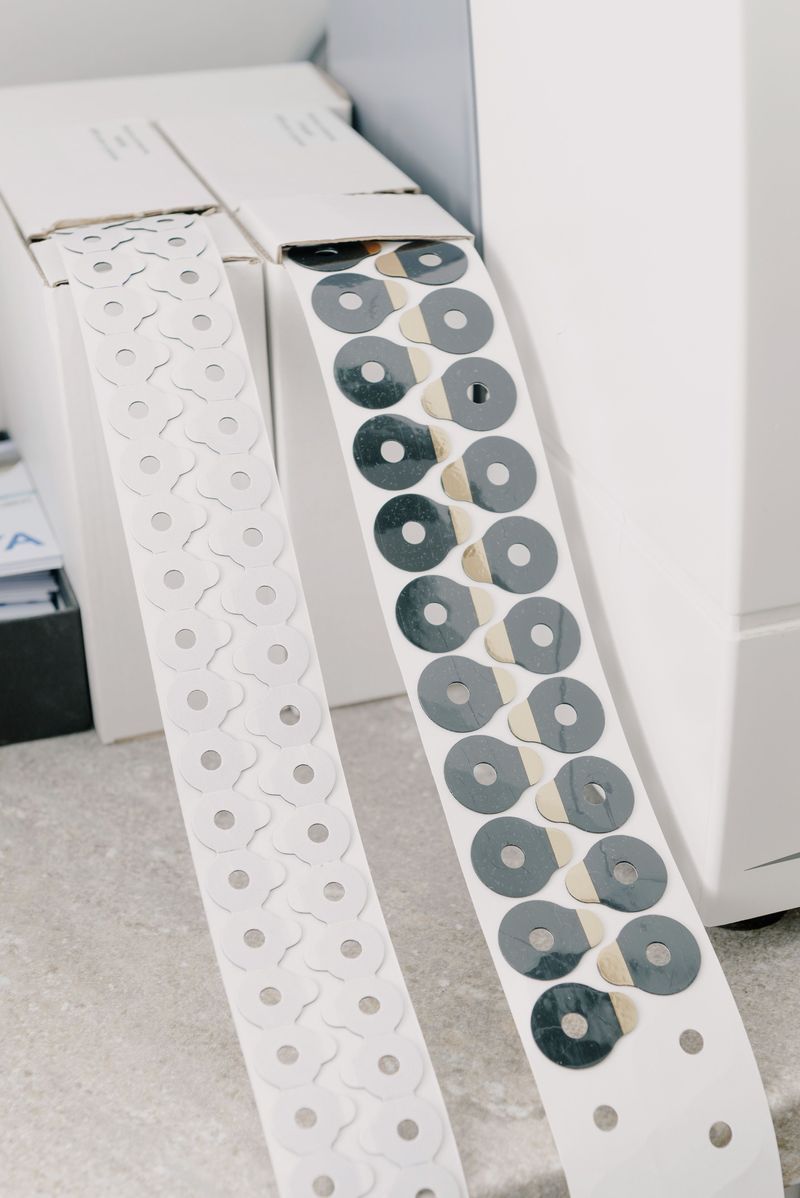
Regulatory Drivers: Traceability and Compliance Mandates
Stringent regulations are accelerating adoption of digital label printing. FDA traceability mandates, the EU’s CSRD and CSDDD sustainability reporting directives, and the U.S. Drug Supply Chain Security Act (DSCSA) require unit-level serialization and QR-code labeling. Pharmaceutical and food industries face the most rigorous compliance timelines, driving investment in high-resolution, variable-data capable printers. China’s export market (37.2% of global label printer exports) increasingly requires compliance with destination-market regulations, making certified, regulation-ready printers—like FCOLOR’s label printer lineup—critical for international trade success.
Sustainability and Linerless Innovation
Sustainability is reshaping label printer design and consumables. Linerless label formats eliminate backing waste, reducing material consumption by up to 40%. Low-VOC thermal transfer ribbons, biodegradable label stocks, and energy-efficient print engines are becoming standard specifications. European ESG regulations push converters toward greener operations, and suppliers with linerless and RFID capability build stronger market positions. The shift from basic label output to connected, traceable identification systems is where FCOLOR invests its engineering resources—delivering printers that meet both current and future sustainability requirements.
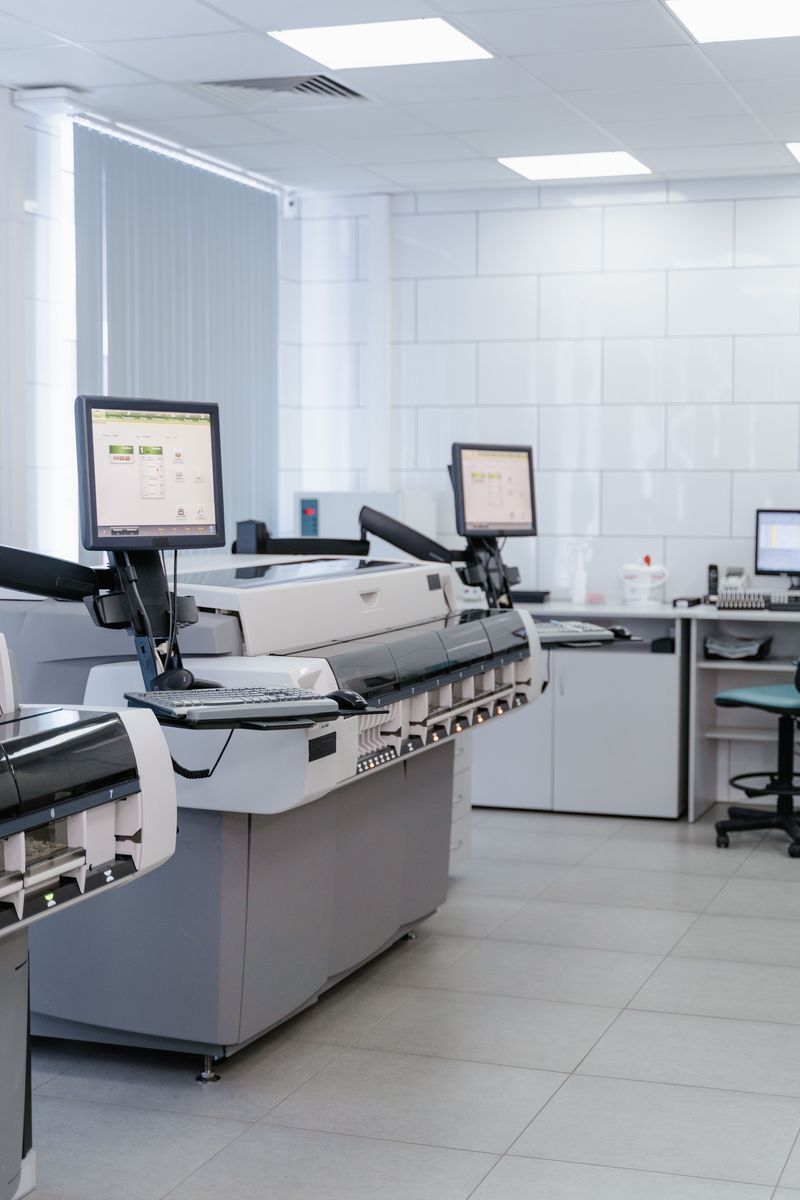
Regional Dynamics and Competitive Landscape
The top five global label printer suppliers—Zebra Technologies, Honeywell (PSS division sold to Brady Corp in April 2026), Toshiba Tec, SATO, and Brother Industries—control approximately 54–56% of market share. Chinese manufacturers like HPRT (Xiamen Hanprint), NIIMBOT (Wuhan Jingchen), and Xprinter are rapidly expanding in desktop and mobile segments, capturing 11.3% more domestic market share since 2020. The U.S. remains the fastest-growing country market (8.2% CAGR), while Western Europe leads with 28% of digital label printing revenue. Patent activity surged with 28,000+ applications from 2020–2025, focusing on printhead structures, RFID antenna integration, and adaptive media detection.
Label Printer Future Checklist (2025–2030)
- RFID-ready printing capability for traceability compliance
- Hybrid digital+conventional platform support
- Cloud-based workflow and IoT consumables tracking
- Linerless label format compatibility (reduce waste 40%)
- AI-powered predictive maintenance sensors
- ERP/WMS integration for automated inventory labeling
- REACH/FDA/DSCSA compliance-ready output quality
Related Questions
- What are the benefits of investing in a label printer?
- Is it safe and reliable to source label printer from Chinese factories?
- Where to buy label printer at wholesale prices directly from China?
- Label printer for textile printing: complete workflow guide
- How to start a profitable business with label printer in 2025?
Position your business for the label printing future with FCOLOR’s compliance-ready, RFID-capable label printers. Explore FCOLOR Label Printer Solutions →