Compare printer accessories with traditional printing methods: pros and cons
- Share
- Issue Time
- Jul 16,2026
Printer Accessories vs Traditional Printing: A Complete Comparison
Modern printer accessories offer superior flexibility, lower setup costs, and broader material compatibility compared to traditional methods like screen printing and offset printing, though traditional methods still excel at high-volume, standardized production runs.
Understanding the Core Differences
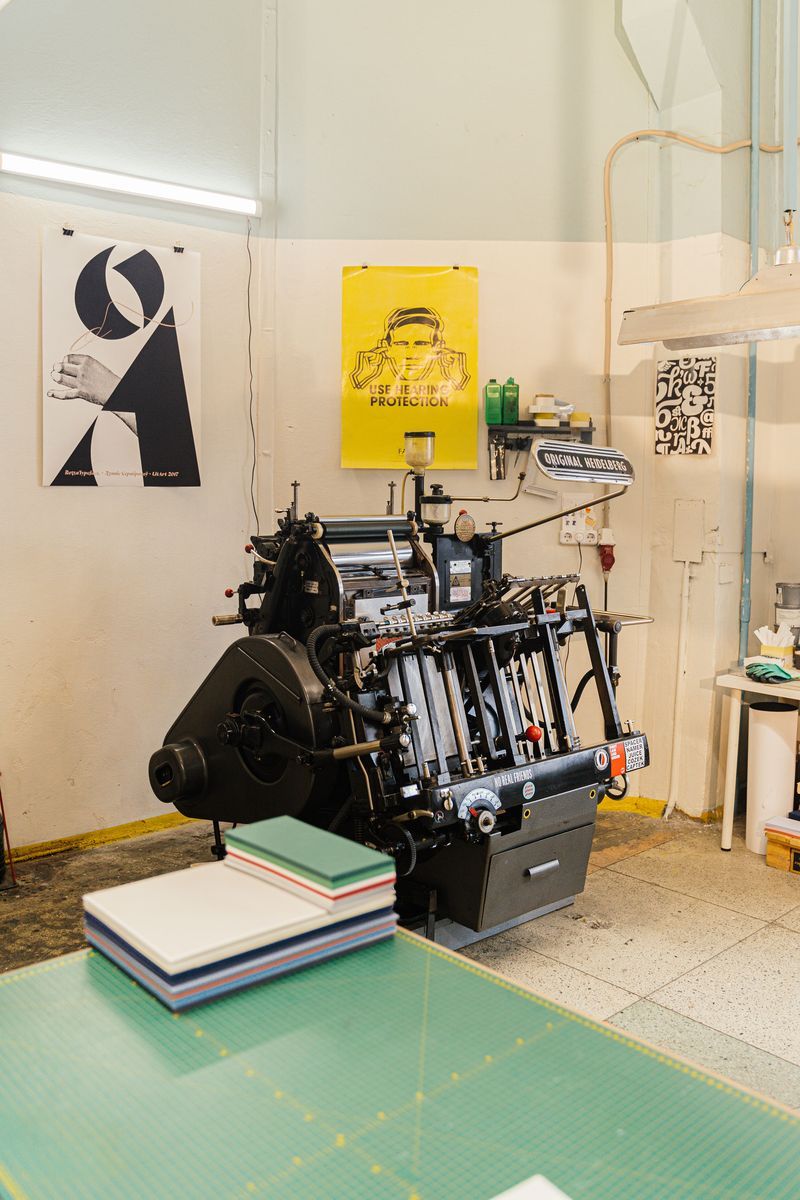
The printing industry has undergone a fundamental shift from analog to digital production. Traditional methods such as screen printing, offset printing, and gravure rely on physical plates or screens, requiring extensive setup time and significant upfront costs for each design change. Printer accessories powered by modern digital technology, including UV flatbed systems, DTF modules, and direct-to-garment components, eliminate the need for physical plates entirely.
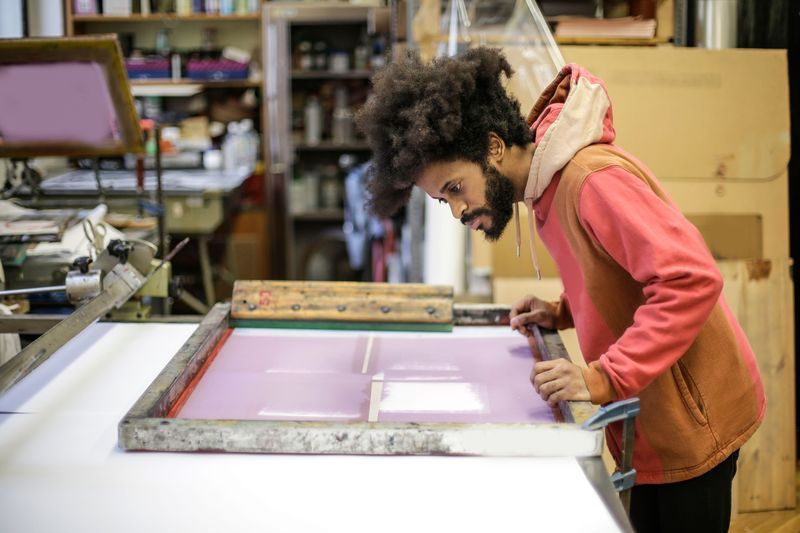
With traditional screen printing, each color requires a separate screen, and multi-color setups can take hours. Digital printer accessories can switch designs in seconds, enabling on-demand and personalized production that traditional methods simply cannot match. This shift represents a transition from a "scale-cost" model to a "speed-and-customization" paradigm, which is precisely what FCOLOR accessories deliver to modern printing businesses.
Pros and Cons: Side-by-Side Comparison
| Factor | Printer Accessories (Digital) | Traditional Printing |
|---|---|---|
| Setup Cost | Low: No plates or screens needed, one-piece printing viable | High: Screen/plate creation costs $50-$200 per design |
| Production Speed | Slower per unit, but instant design switching | Very fast once set up; 500-1000 units/hour possible |
| Material Range | Extensive: glass, metal, leather, wood, plastic, fabric | Limited: flat, smooth surfaces only (paper, specific fabrics) |
| Color Complexity | Full CMYK+W, unlimited colors per run | Each color = separate screen; 6-8 colors maximum practical |
| Minimum Order | 1 piece (ideal for custom/POD businesses) | 50-100 minimum to amortize setup costs |
| Durability | UV-cured prints: 3+ years outdoor, wash-resistant | Screen prints: very durable, but crack on stretchy fabrics |
| Eco-Friendliness | Near-zero VOCs with UV LED curing; no solvent waste | Solvent-based inks, chemical wash waste, high VOC emissions |
| 3D/Relief Printing | Supported: multi-pass layered printing for embossed effects | Not supported without expensive secondary processes |
Market Data and Industry Trends
According to Smithers research, the global digital printing market reached $32.5 billion in 2025, growing at 7.2% CAGR, while traditional offset printing has declined to a 3.1% annual growth rate. The custom apparel market alone accounts for $8.2 billion, with DTF and DTG accessories capturing over 35% of new installations in 2024-2025.
Small and medium-sized businesses are the primary beneficiaries of the accessory revolution. A startup using FCOLOR digital printing accessories can launch with under $5,000 total investment, compared to $15,000-$50,000 minimum for a traditional screen printing setup. The break-even point for digital accessories comes at just 200-500 printed units versus 1,000-3,000 units for traditional methods.
- Digital printing accessories reduce setup time by 90% compared to screen printing
- On-demand production eliminates inventory waste (estimated 15-30% savings)
- UV LED curing accessories consume 60% less energy than conventional drying systems
- Personalized/custom orders generate 2.5x higher margins than standardized bulk orders
When to Choose Each Method
Rather than treating this as an either-or decision, savvy printing businesses deploy a hybrid strategy. Use printer accessories for orders under 100 units, custom designs, multi-material jobs, and prototyping. Switch to traditional methods for large-volume standardized runs where the per-unit cost advantage kicks in.
Choose Printer Accessories When:
- Order quantity is under 100 units
- Designs change frequently (POD, custom merch)
- Printing on non-standard materials (glass, metal, leather)
- Need embossed or textured print effects
- Environmental compliance is a priority
Choose Traditional Printing When:
- Running 500+ identical units per design
- Printing on standard paper or single fabric type
- Simple 1-3 color designs with no gradient needs
- Maximum per-unit cost efficiency is required
Related Questions
Explore FCOLOR Printer Accessories
Ready to upgrade your printing operation? FCOLOR offers a complete range of digital printing accessories designed for maximum versatility and professional-grade output. From UV flatbed modules to DTF conversion kits, find the right solution for your business at FCOLOR.