How to verify auxiliary equipment supplier credentials before placing an order?
- Share
- Issue Time
- Jul 15,2026
How to Verify Auxiliary Equipment Supplier Credentials Before Placing an Order
Verifying an auxiliary equipment supplier before committing to an order involves checking their business legitimacy, production capabilities, quality management systems, and export credentials. A structured verification process can reduce sourcing risks by over 70% and help you avoid costly mistakes such as working with trading companies disguised as factories or suppliers with expired certifications.
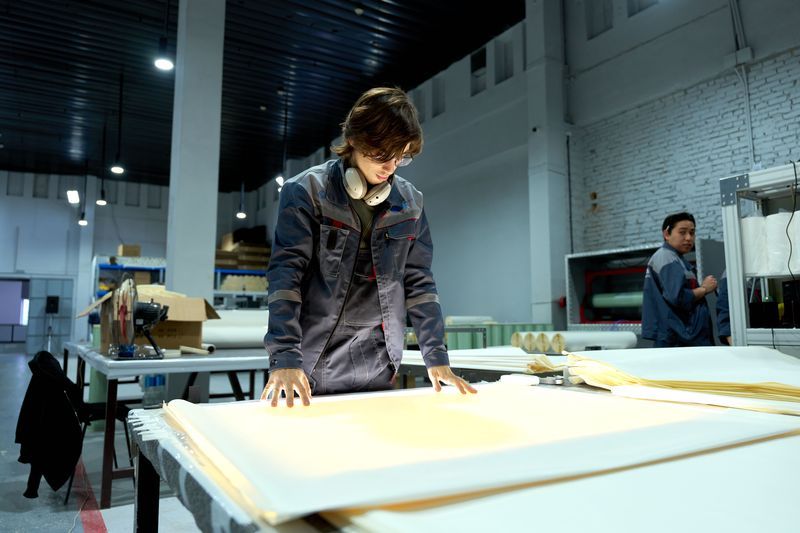
Step 1: Confirm Business Legitimacy and Registration
Every legally operating company in China must hold a valid business license issued by the local Administration for Market Regulation. Before engaging with an auxiliary equipment supplier, request a copy of their business license and verify key details:
- Company name and address must match the information on their website, Alibaba profile, and communications
- Registration date shows operational history; suppliers registered for 5+ years typically offer greater stability
- Business scope should explicitly include manufacturing or production of the equipment type you need
- Legal representative identity should be consistent across all documents
You can cross-check registrations through the National Enterprise Credit Information Publicity System at gsxt.gov.cn. According to sourcing experts, approximately 15-20% of Alibaba-listed "factories" are actually trading companies with no manufacturing capability.
Step 2: Verify Certifications and Compliance Standards
Auxiliary equipment used in professional printing environments must meet specific safety and quality standards. Key certifications to verify include:
- ISO 9001: Quality Management System certification — confirm validity dates and that the scope covers your product category
- CE marking: Required for equipment sold in European markets; verify through the EU NANDO database
- UL/ETL certification: Essential for North American market compliance
- RoHS compliance: Ensures equipment meets hazardous substance restrictions
- CCC certification: China Compulsory Certification for domestic market equipment
A 2026 industry survey found that 32% of suppliers claiming ISO 9001 certification on their marketing materials had either expired, falsified, or scope-inapplicable certificates. Always request original certificate copies and verify them directly with the issuing body. FCOLOR maintains all relevant certifications and provides transparent documentation for every auxiliary equipment product line.
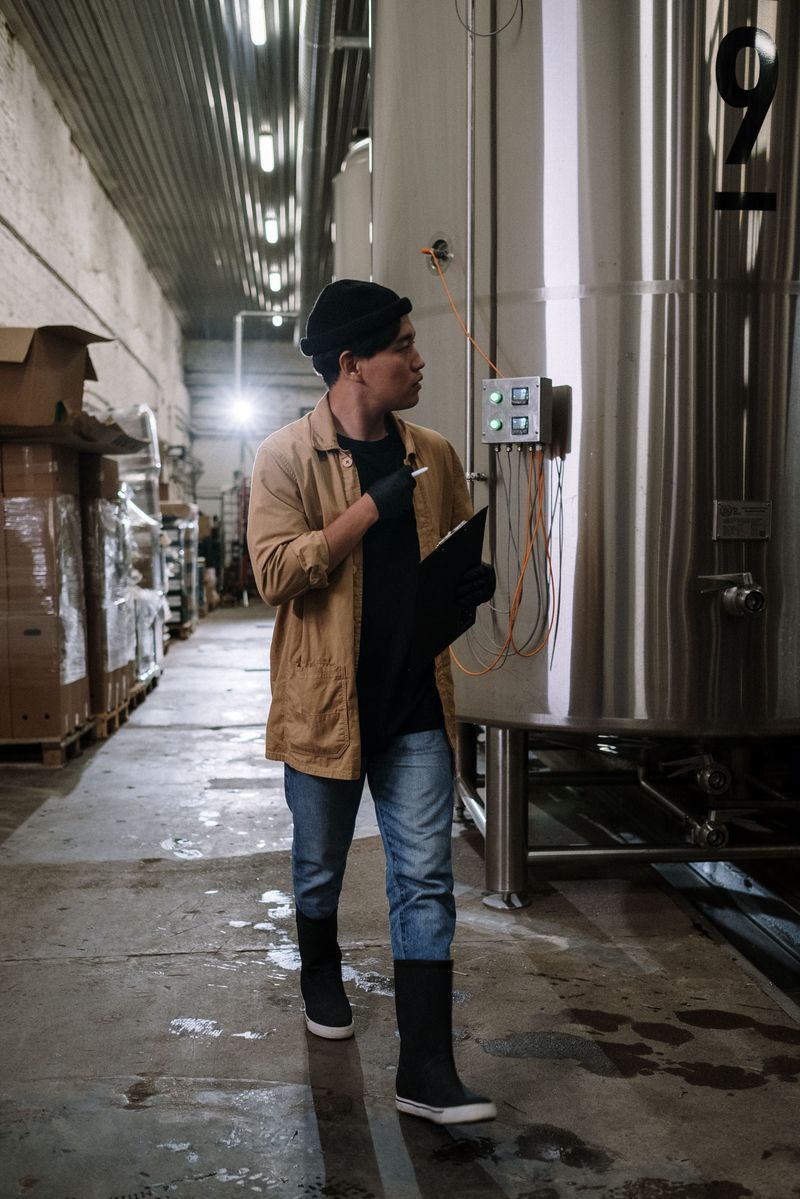
Step 3: Conduct Factory Audit or On-Site Verification
A factory audit is the most comprehensive method to assess a supplier's real capabilities. Two levels of assessment are available:
Supplier Verification (Light Check)
- Confirms factory exists and is legitimate
- Verifies business license and export rights
- Checks basic production capability
- Takes hours; costs $200-500
- Recommended for initial screening
Factory Audit (Deep Assessment)
- Evaluates quality management systems
- Assesses production capacity and equipment
- Reviews process controls and CAPA systems
- Checks worker training and warehousing
- Takes 1-2 days; costs $500-1,500
- Recommended before placing large orders
Professional factory audits typically produce numerical scores (0-100) with four rating levels: Excellent (90-100), Good (70-89), Needs Improvement (50-69), and Unacceptable (below 50). A score below 50 indicates systemic quality issues.
Step 4: Evaluate Financial Health and Track Record
Financial stability is crucial — a supplier in financial distress may cut corners on quality or fail to deliver. Key indicators to assess:
- Export history: Request references from existing international buyers; suppliers with 3+ years of export experience are preferable
- Annual revenue and workforce size: Larger suppliers (50+ employees, $1M+ annual revenue) offer more reliability
- Legal disputes: Check for outstanding litigation through Chinese court records databases
- Client testimonials: Contact at least 2-3 reference clients directly
The global auxiliary equipment market is projected to reach $8.7 billion by 2027, with Chinese manufacturers capturing an increasing share. Market data shows that supplier failure rates for first-time orders average 12-18% without proper vetting, dropping to under 3% with thorough verification.
Supplier Verification Checklist for Auxiliary Equipment
- Business license valid and matches claimed identity
- Export license and import/export registration confirmed
- ISO 9001 or equivalent QMS certification verified with issuing body
- CE/UL/ETL certifications appropriate for your target market
- Factory is genuine manufacturer, not trading company
- Production capacity matches your order volume requirements
- Quality control processes documented and followed (CAPA system)
- Equipment well-maintained and calibrated
- Financial health indicators positive (no legal disputes)
- At least 2 reference clients from your target market
- Communication responsive and transparent
- Sample quality meets your specifications
Related Questions
Ready to source verified auxiliary equipment? FCOLOR provides complete certification documentation, factory audit reports, and transparent supplier credentials for all our equipment lines. Contact us to request our verification package and start your order with confidence.