What are the common sizes and specifications of UV printer?
- Share
- Issue Time
- Jul 7,2026
What Are the Common Sizes and Specifications of UV Printer?
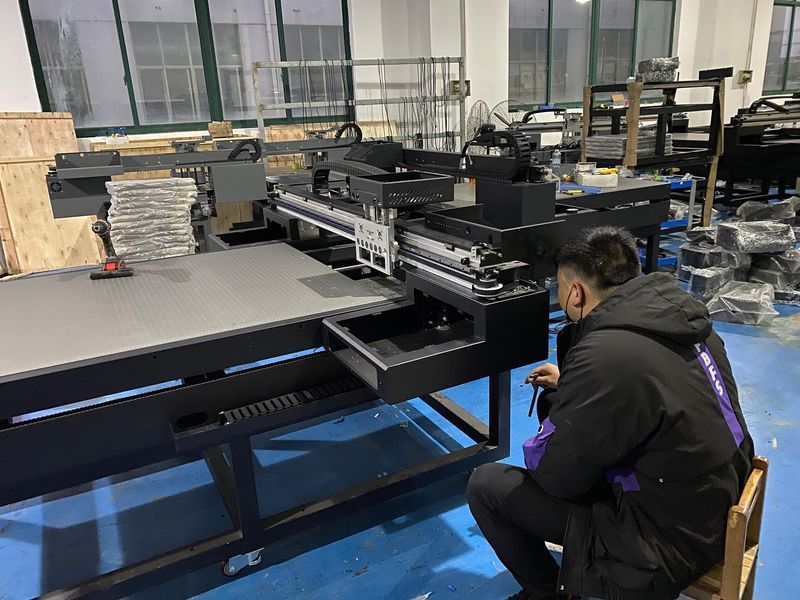
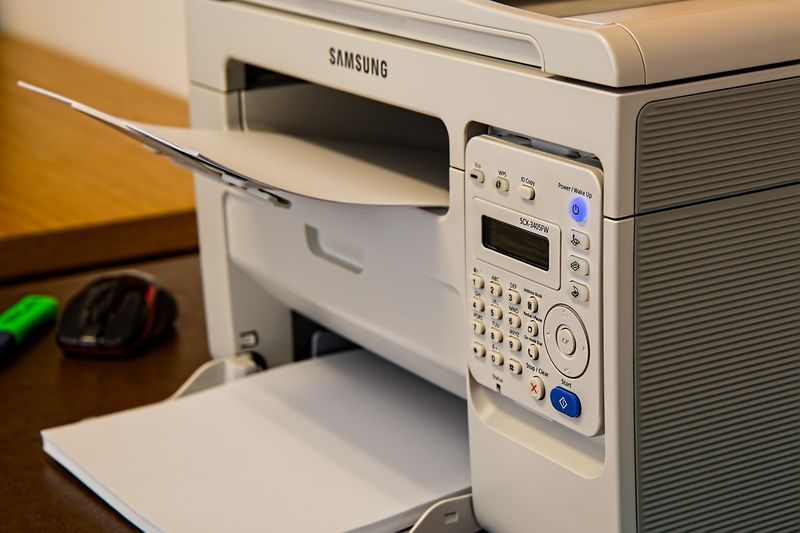
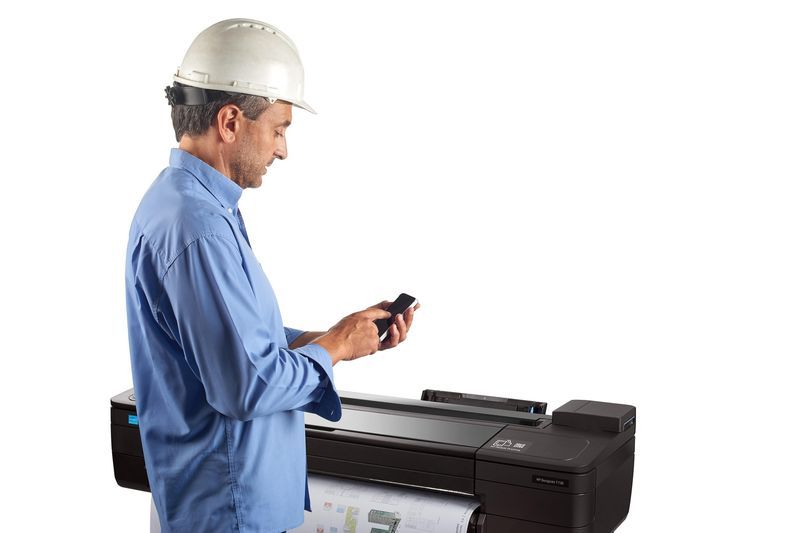
UV printers range from compact desktop units with 30-60 cm print width to large industrial flatbeds with 2.5 x 1.3 m beds. Common sizes include A3/A4 desktop, 6090 (600x900 mm), 1612 (1600x1200 mm), 2513 (2500x1300 mm), and 3040 (3000x4000 mm) formats. Key specifications cover print resolution (600-1440 dpi), speed (20-120 sqm/h), substrate thickness (up to 15 cm), and printhead type (Epson, Ricoh, or Konica).
Common UV Printer Bed Sizes and Dimensions
UV flatbed printers are categorized by their maximum printable area. Choosing the right size is usually the first decision a buyer makes because it dictates the range of products the machine can produce in one pass.
| Format | Bed Size (mm) | Bed Size (inches) | Best For |
|---|---|---|---|
| A3/A4 Desktop | ~300x420 / 210x300 | 12x16 / 8x12 | Phone cases, small gifts, samples |
| 6090 | 600x900 | 24x35 | Signs, packaging, small panels |
| 1612 | 1600x1200 | 63x47 | Medium signage, industrial parts |
| 2513 | 2500x1300 | 98x51 | Large boards, doors, sheet materials |
| 3040 | 3000x4000 | 118x157 | Very large industrial panels |
Print Resolution and Quality Specifications
Resolution is measured in dots per inch (dpi). Desktop and entry-level UV printers often deliver 600-1440 dpi, with some Epson-based models reaching up to 1440x1440 dpi for photographic detail. Industrial models using Ricoh Gen5/Gen6 heads typically operate at 600 dpi but balance speed and quality through multi-pass modes. Higher dpi produces finer gradients and smoother text, but it slows production. For general signage and packaging, 600-900 dpi is usually sufficient; for fine art reproduction or luxury packaging, 1200+ dpi is preferred.
Print Speed and Production Capacity
Print speed depends on resolution, pass count, and printhead technology. Small desktop UV printers may produce 2-4 sqm/h in draft mode. Mid-format 6090 machines commonly reach 8-20 sqm/h. Industrial 2513 flatbeds can achieve 20-120 sqm/h, with high-end models exceeding 75 sqm/h in production mode. When evaluating speed, ask for real-world throughput at the quality setting you intend to use, because advertised maximum speeds are usually measured in low-quality, single-pass draft modes.
Substrate Thickness and Material Compatibility
One of the biggest advantages of UV flatbed printing is the ability to print directly onto rigid materials. Common substrates include acrylic, glass, metal, wood, ceramic, PVC, leather, and composites. Small-format printers typically handle materials up to 10 cm thick, while general industrial machines accommodate up to 15 cm. Some specialized industrial units can process items up to 30 cm thick. Auto-leveling and height sensors are essential features that maintain consistent printhead distance on uneven or thick objects.
Printhead Technology Comparison
| Printhead | Resolution | Drop Size | Nozzles | Lifespan | Best For |
|---|---|---|---|---|---|
| Epson i3200-U1 | up to 1440 dpi | 3.5-15.6 pl | 3,200 | 6-14 months | High-detail, small-to-mid volume |
| Ricoh Gen5/Gen6 | 600 dpi | 5-21 pl | 1,280 | 12-24 months | Industrial multi-material |
| Konica KM1024i | 720 dpi | 14-42 pl | 1,024 | 18-36 months | High-speed, large-format |
Ink System and Curing Technology
UV printers use UV-curable inks that solidify instantly when exposed to UV light. Most modern systems use UV-LED lamps at 395-405 nm wavelengths because they are energy-efficient, long-lasting, and generate less heat. Some older or specialty machines use mercury-vapor lamps for intense curing. Typical ink configurations include CMYK plus white, and sometimes varnish or primer. White ink is essential for printing on dark or transparent materials; varnish adds glossy or matte finishes and textured effects.
Choosing the Right Size for Your Business
Select a bed size based on the largest product you expect to print regularly, plus about 20% extra for nesting multiple items. For custom phone cases and small gifts, a desktop or 6090 machine is sufficient. For signage, packaging, and medium panels, 1612 or 2513 formats are standard. For large architectural panels or door printing, 3040 or larger industrial systems are required. FCOLOR offers UV printer configurations across multiple sizes, helping you match bed dimensions, printhead technology, and curing system to your product mix.
Related Questions
Not sure which UV printer size fits your production? Contact FCOLOR for a free consultation on UV flatbed specifications, bed sizes, and printhead configurations tailored to your business.